 Fraunhofer Institute for Reliability and Microintegration IZM
Completed Projects
Aging of casting compounds
(2023-2025)

The aim of the project is to develop a method for reliably predicting the influence of ageing on electronic components and to set it down in an easy-to-use guideline, which will be made available as the basis for a DVS information sheet after the project has been completed.
A multi-hub Test and Experimentation Facility for edge AI hardware
PREVAIL (2023-2025)

The PREVAIL project will create a multi-hub Test and Experimentation Facility (TEF) for edge AI hardware. This infrastructure will enable a trusted, non-discriminatory test facility in Europe capable of validating high-performance, low-power edge components and technologies to support digital transformation.
Four major European Research and Technology Organizations (RTOs) have set up this consortium to build on their advanced 300mm fabrication, design, and test facilities in a coordinated and complementary fashion.
mehr info [en]
Supercomputing platform for fully automated vehicles
CeCaS (2022 - 2025)

Fraunhofer IZM is contributing its expertise in the packaging of central car server chiplet modules on organic interposers. Our researchers are developing flip-chip assembly concepts and thermal interfaces for sustainable, scalable cooling concepts for this complex central car server. Derived from the research work on packaging, contributions are being made to the digital twin for the reliability assessment of chiplet-based electronic modules.
Split Manufacturing of novel and trustworthy Electronics
T4T (2022-2025)

A reliable supply with electronic components is gaining more and more strategic relevance for the industrial site Germany.
The increasing shift of IC manufacturing to regions outside Europe bears a higher risk of malicious/spy functions in components delivered by contract manufacturers (Foundries) as well as IP theft (intellectual property) with respect to the used circuit designs.
The project »Trustworthy electronics: tech-for-Trust (T4T)« aims at providing tools for accessing safe supply chains and trustworthy electronics to domestic industry.
Electronic systems for reliable and energy-efficient decentralized data processing in edge computing
PLATON (2022-2025)

The PLATON project aims to develop an integrated sensor and data processing platform. The recorded 3D radar data is to be evaluated both on different time scales and spatially distributed using artificial intelligence.
Minimally Invasive Neuromodulation Implant and implantation procedure based on GRAPHene technology
MINIGRAPH (2022-2025)

Neurological diseases such as Parkinson's and Alzheimer's have been steadily increasing over the past 25 years, posing a significant burden for both patients and their families.
The MINIGRAPH project aims to develop innovative DBS brain implants based on a flexible electronic unit made of biocompatible polymer and high-density graphene microelectrodes.
Smart reusable Packaging for Food and a Concept for optimized Reuse
PFABO (2022 -2025)

The project's main goal is to use reusable packaging as extensively as possible in food retail and beyond, in line with product development, to minimize single-use packaging. The overarching goal is to establish a cross-brand deposit system for food packaging using specially developed, sustainable, and resource-saving deposit boxes, as well as the associated logistics processes. These deposit boxes are sized according to food retail logistics standards and will be digitally traceable via 2D data matrix codes in the future.
Expanded Ecological Impact Assessment of the Thuringian Repair Bonus Scheme
REBO 4.0 (2023 - 2024)

The Repair Bonus launched in 2021 by the Department for the Environment, Energy, and Nature of the State of Thuringia in cooperation with the Thuringian Consumer Protection Agency (VZTH) is a first for Germany by introducing a meaningful commercial incentive for product repairs.
Setting ground for the European Product Passports
CIRPASS (2022 - 2024)

The "CIRPASS" project aims to lay the foundations for the future implementation of digital product passports in the EU. Tasks include creating a forum to develop a common understanding of cross-sector DPPs and building stakeholder consensus on prototypes of the DPP in the sectors: Batteries, Textiles, and Electronics.
QuantumCascade
(2022 - 2024)

The objective of the QuantumCascade project is the design of a multispectrum MIR light source as an easily integrated system component for use in applications that work with mid-infrared light. The system should be usable without requiring particular knowledge of the complex technology behind multispectrum light sources. This makes it available for commercial enterprises from other fields, e.g. medical technology, facilitating the development of innovative systems without the risk of having to design a stable and controlled light source of this type.
Sens4Bee
(2021 - 2024)
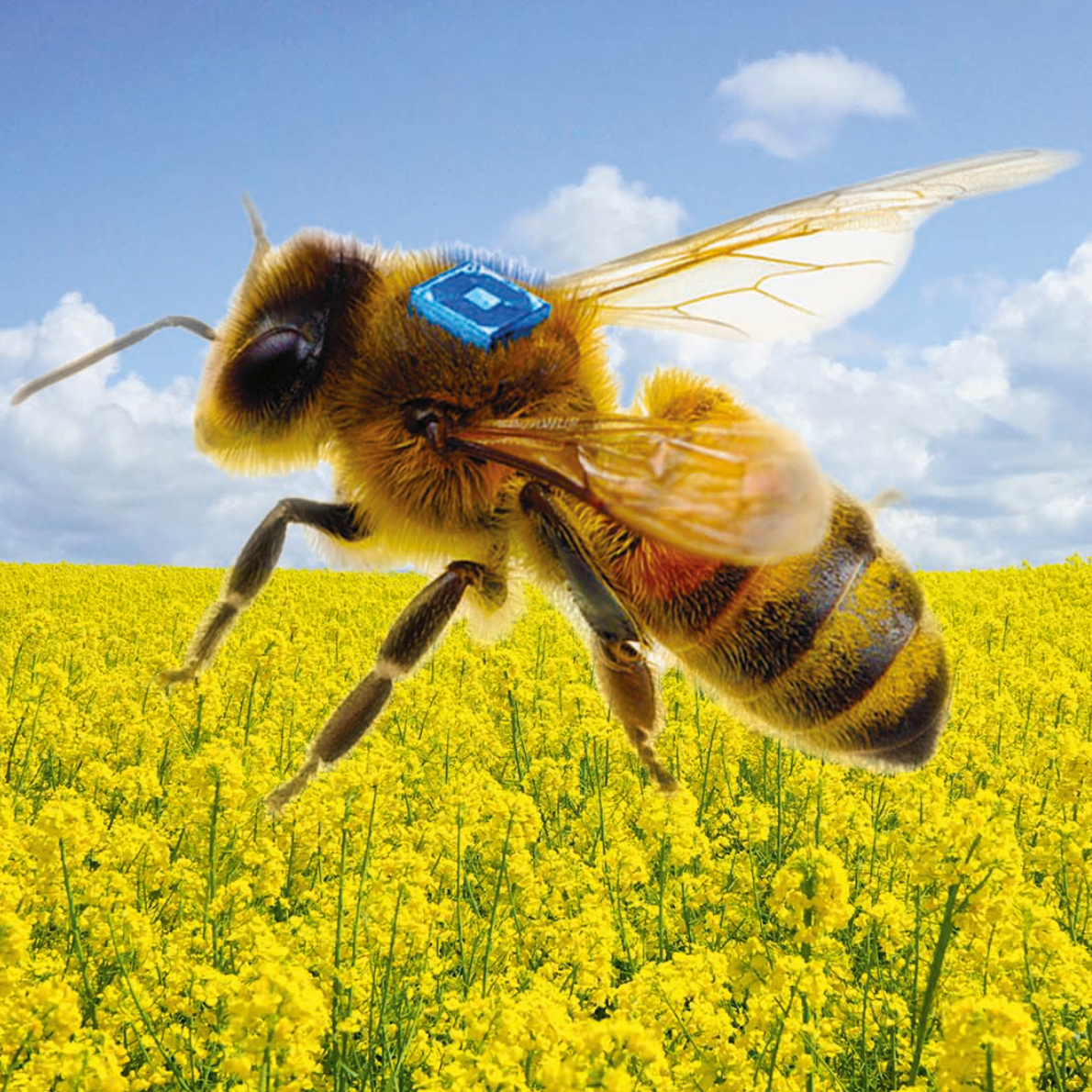
Sens4Bee – Monitoring colony health with RFID sensors capturing data in beehives and on individual bees.
Realizing Trustworthy Complex Systems with Wafer-Level Packaging
VE-REWAL (2021 - 2024)

May 1, 2021, was the launch day of the three-year project “Realizing Trustworthy Complex Systems with Wafer-Level Packaging - VE-REWAL”, led as a combined effort by the University of Bremen’s Institute for Theoretical Electrical Engineering and Microelectronics. The project intends to explore concepts for a platform for trustworthy electronics with a novel system partitioning approach, suitable system packaging technology, and secure communication between the system’s components. A 77GHz-Radar MIMO application was chosen as test case for a chiplet design for radar ICs, investigated in FOWLP form, as a complete assembly, and in active use.
PACK4EU
(2020 - 2024)

The Pack4EU project’s ambition is to help and guide the European Commission on how to finance the EU packaging industry.
Insulated Single Chip Packages for Urban Air Mobility
TELEV (2020-2024)

The TELEV project (Technological enablement of hybrid-electric propulsion systems for manned aircraft through research into aviation-compatible power electronics, distribution and control) aims to systematically investigate the technologies required to bring such configurations up to the performance level required for aviation.
Ascent+
(2020 - 2024)

Continued innovation and the development of new nano-electronic technologies depend on cutting-edge facilities. The ASCENT+ taps into the resources of a rich and diverse network of science and industry partners to offer open access to this vital infrastructure for nano-electronics.
Moore4Medical
(2020 - 2023)
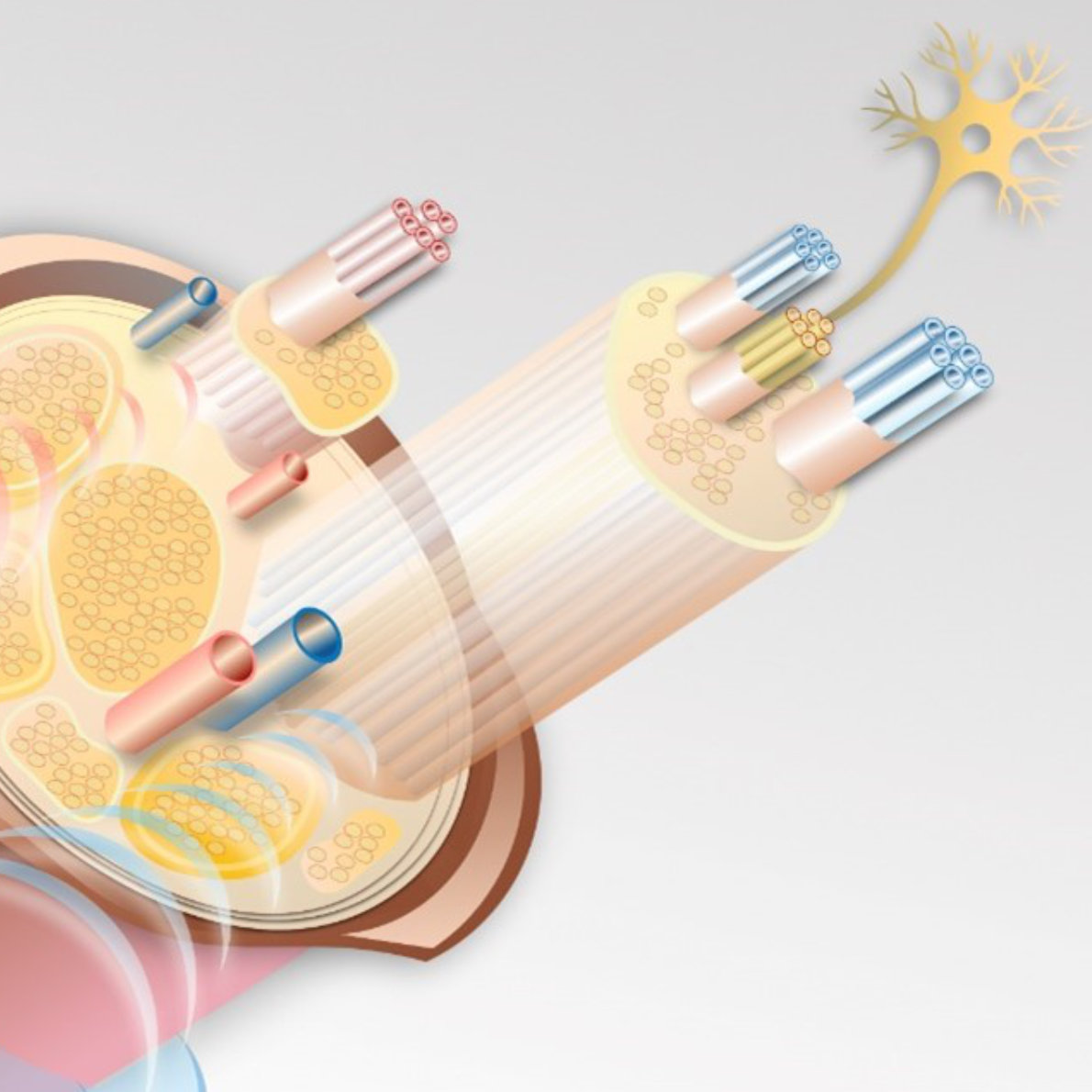
EU-funded project for the development of a toolbox technology platform for faster, more economical, and more impactful medical technology
6GKom
(2019 - 2023)

One terabit of data per second: This is the ambitious target set for the 6GKom project, pursued by a crack team of German research institutes and universities that are investigating the new vistas opened up by the next-generation mobile communications standard 6G. The mission of the project is to envision the fundamental hardware for communicating at frequencies above 100 GHz.
Trusted data acquisition in microelectronics manufacturing as a basis for ML-optimized processing
SiEvEI 4.0 (2020- 2022)
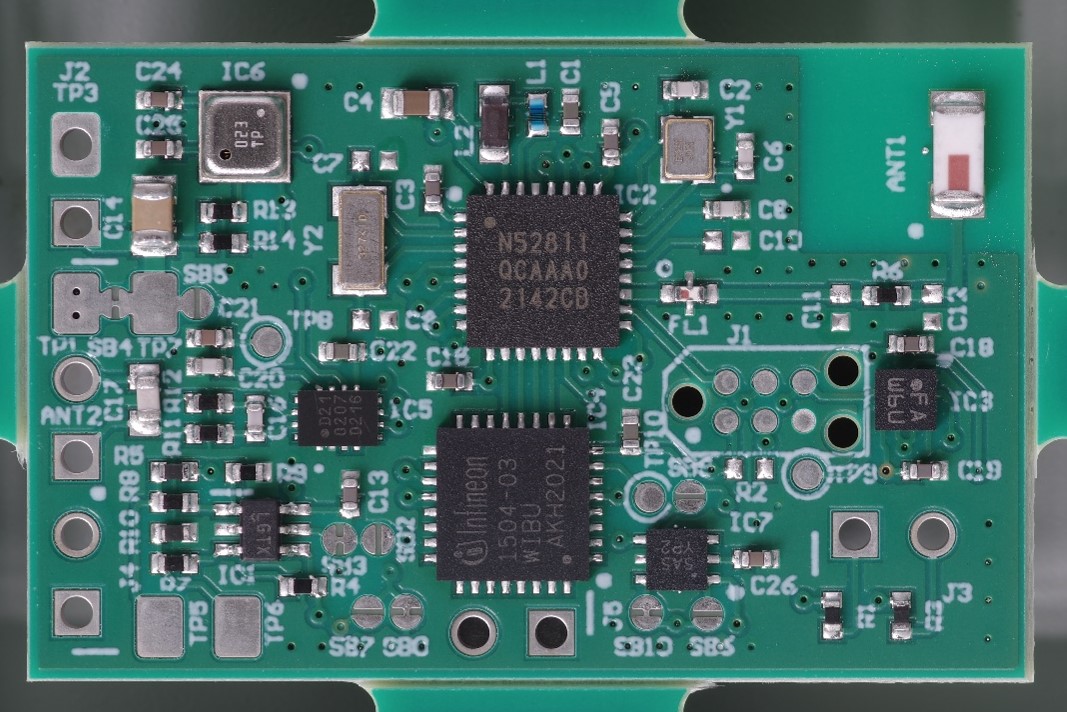
Within the SiEvEI 4.0 project, a research consortium from industry and academia works on process digitization for a manufacturing scenario where high value electronic goods are built in a distributed manufacturing environment.
APPLAUSE ECSEL
(2020 - 2022)

Developing packaging and interconnection technologies for the competitive production of highly integrated microelectronic and optoelectronic systems.
OmniConnect
(2019 - 2022)
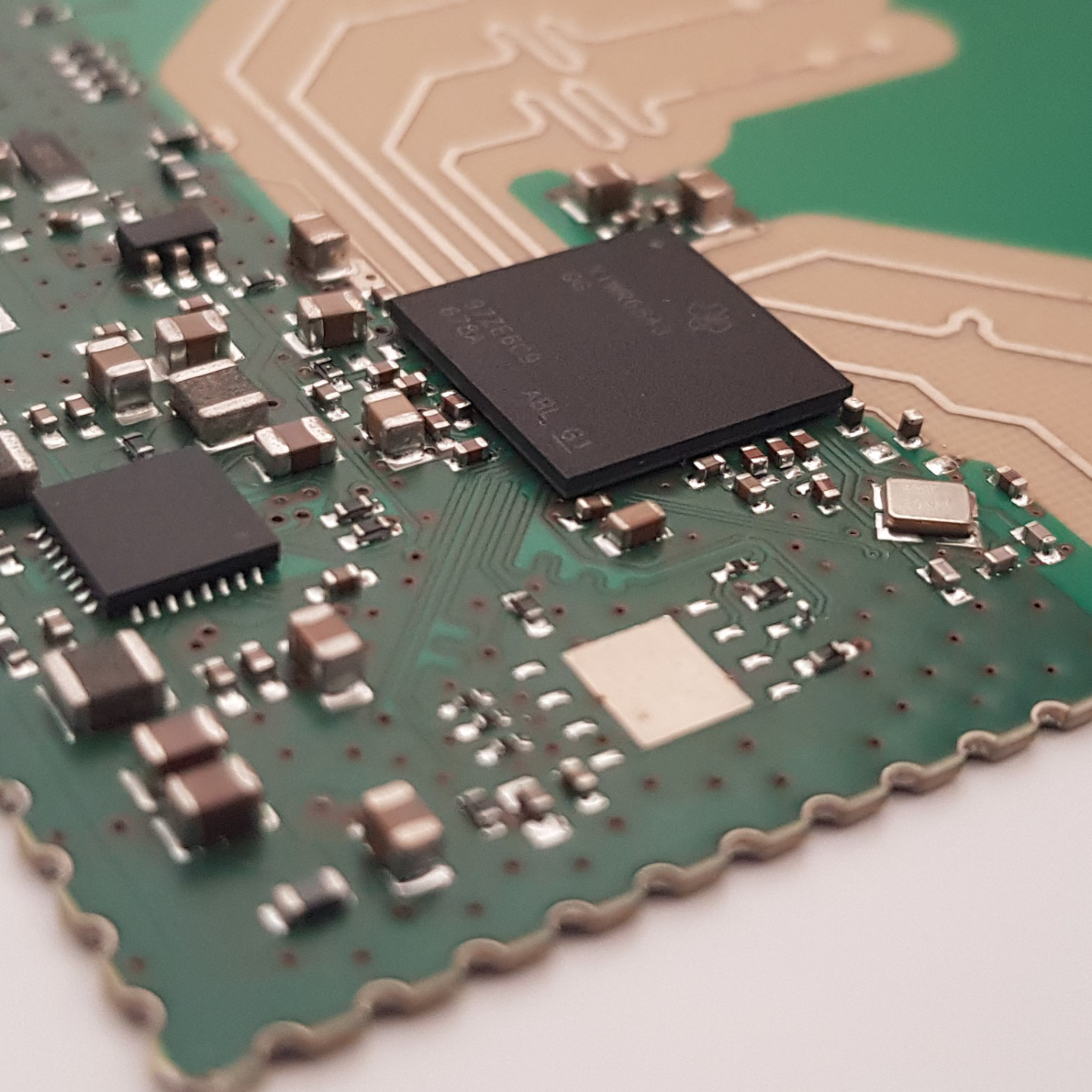
Radar and passive tags can be combined to locate and connect objects in everyday life or even objects and people moving in interior contexts. The researchers on the OmniConnect project are using so-called secondary radar to share not only data about the location and movement of an object, but also additional information that can be used to connect the objects in a virtual network.
Next generation photonic biosensors
PoC-BoSens (2019 - 2022)

Label free photonic sensing platforms are recently revolutioning Point of Care diagnostic methods allowing high sensitivity and high compactness needed for fast and reliable detection of infectious and autoimmune diseases . PoC BoSens is a transnational project that contributes to the development of a portable device based on an array of high sensitive photonic microresonators.
Smartphones for Life? Modular Designs for Circular Products Lifecycles
MoDeSt (2019 - 2020)

Modular smartphones have the unique ability to upgrade to keep pace with technology’s progress and changing consumer habits. This gives the devices a longer useful life, which means fewer phones need to be produced and their ecological footprint can be reduced.
MASSTART
(2019 - 2021)

MASSTART aims to provide a holistic transformation to the assembly and characterization of high speed photonic transceivers towards bringing the cost down to €1/Gb/s or even lower in mass production. This will guarantee European leadership in the Photonics industry for the next decade.
PolPlenCam
(2018 - 2022)
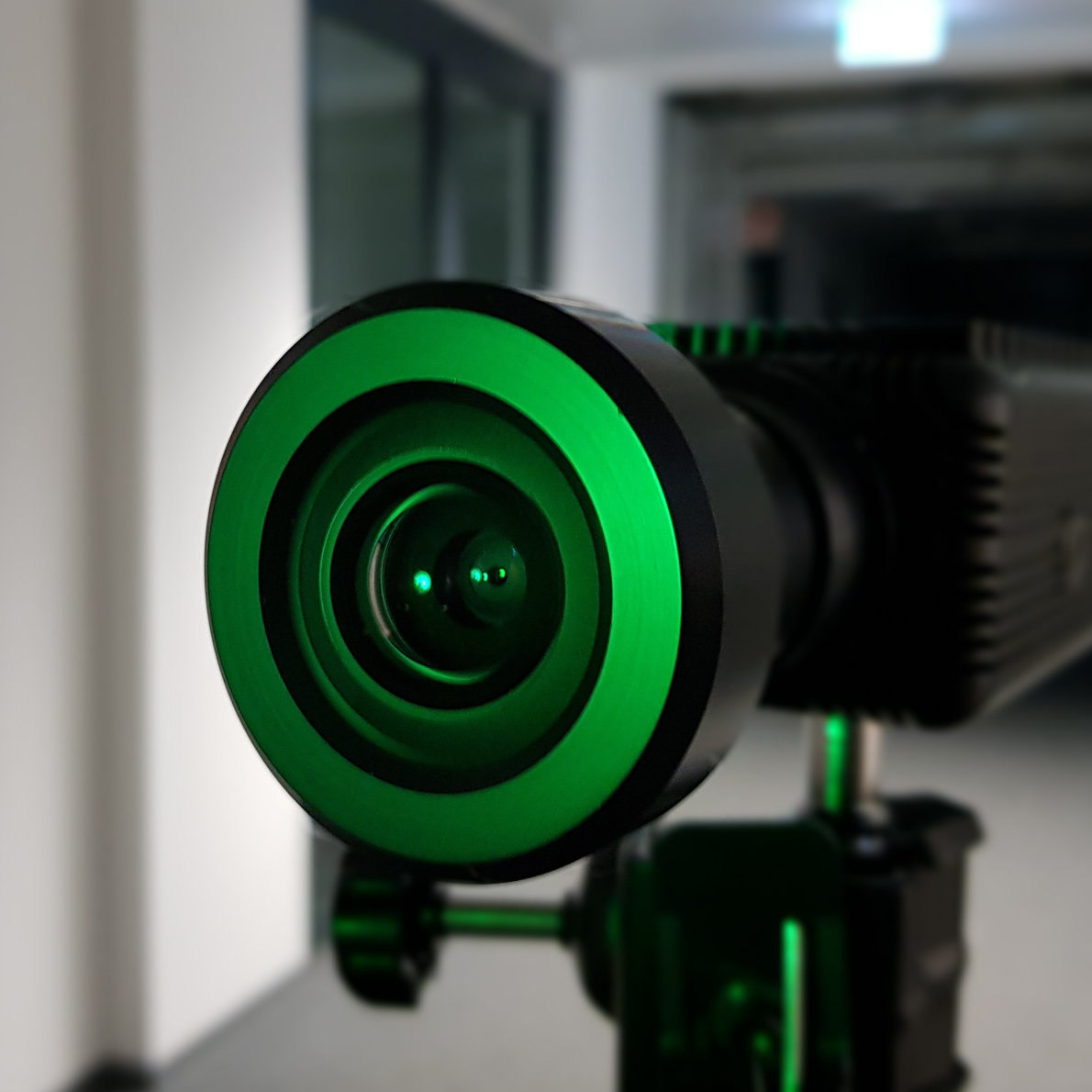
Researchers at Fraunhofer IZM have teamed up with TecVenture, Optrontec Inc., and KAIST to produce an innovative and robust high-speed camera with a multi-lens and polarization filter array for images with an extended depth of focus.
Position II
ECSEL Joint Undertaking (2018 - 2021)
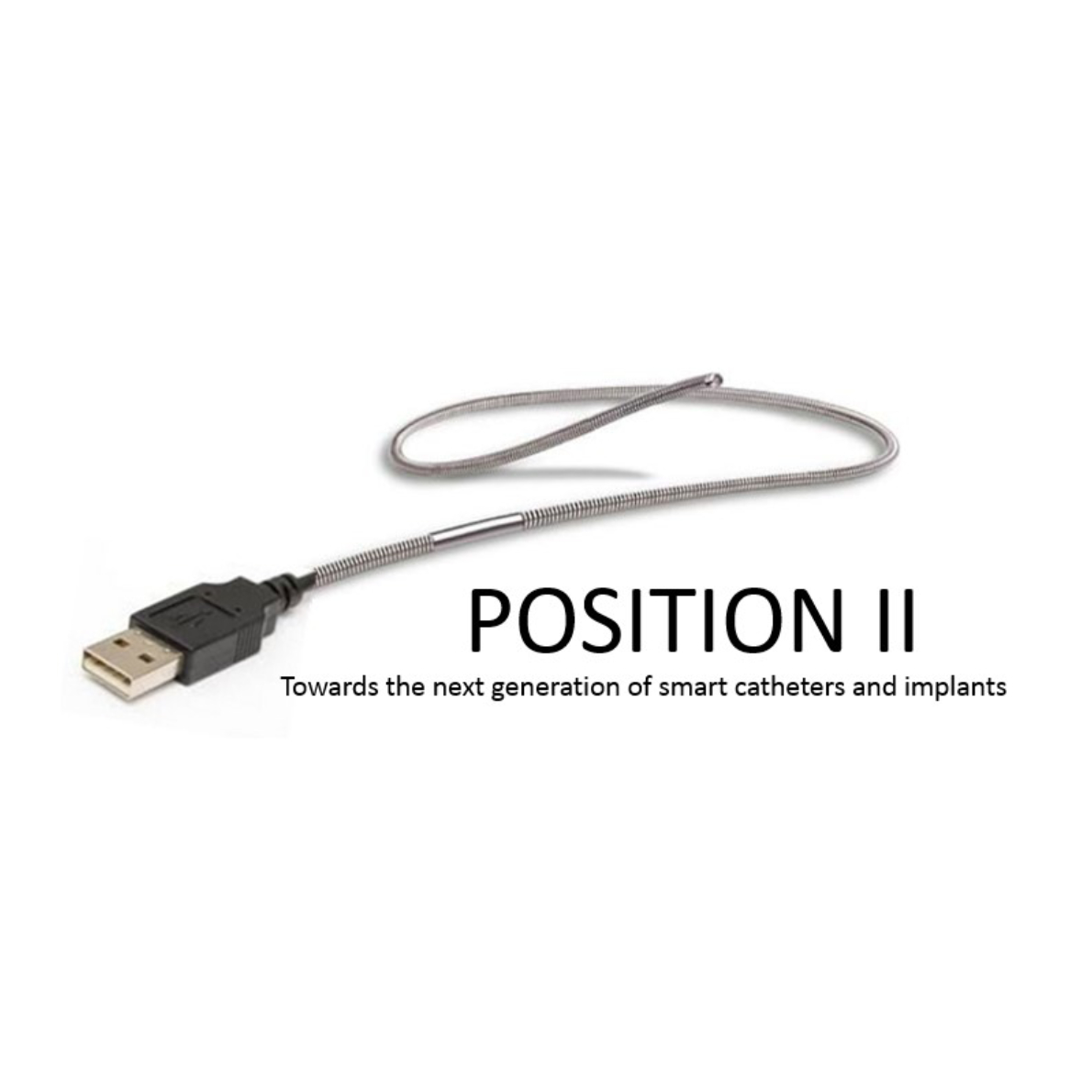
Within the framework of the EU Position II project, 45 European companies and research institutions are working under the coordination of Phillips to integrate medical technology applications even better into digital processes through "smart" electronics.
BioSENSORIK Detecting Biomarkers in Blood
Graph-POC (2018 - 2021)
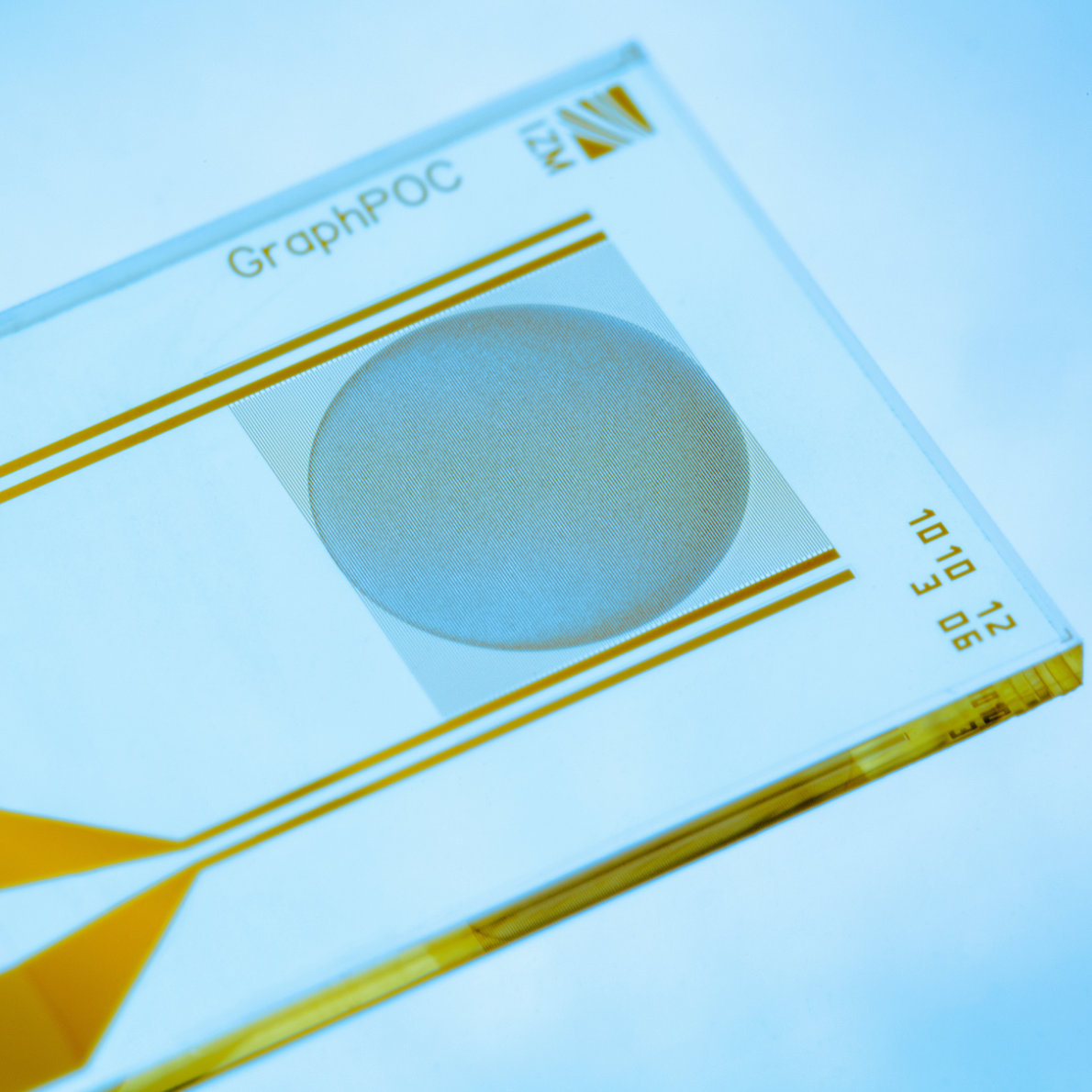
Fraunhofer researchers are developing graphene oxide-based biosensors to detect bacterial and viral infections within just 15 minutes.
The project is developing a biosensor for the qualitative and quantitative for fast, reliable, on-site diagnostics of bacterial, viral, and fungal infections.
SiCmodul
(2018 - 2020)
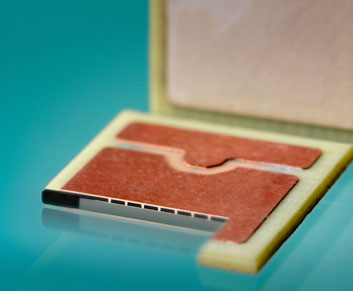
Embedded silicon carbide on the way towards series production in
electromobility
Silicon carbide semiconductors, packaged for high-temperature applications, have the potential to increase switching frequencies and output substantially in future power electronics, while making them less susceptible to failure.
Textile Prototyping Lab
TPL (2017 - 2021)
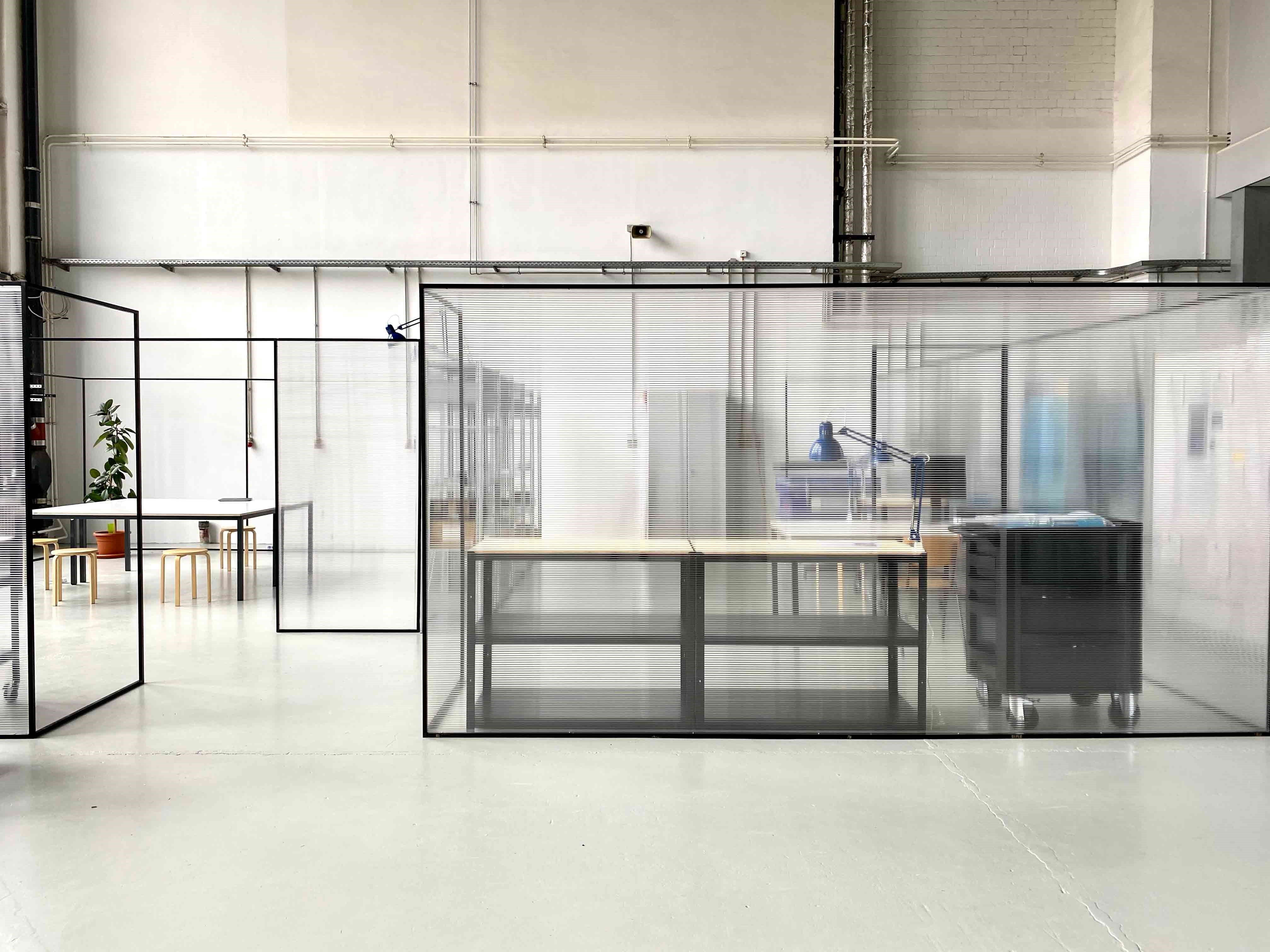
The Textile Prototyping Lab is Germany’s first and premier open lab for high-tech textiles. With its complete prototyping infrastructure and competent interdisciplinary team, the TPL is the perfect place for sophisticated and complex textile projects.
Founded as a shared research initiative of five organizations dedicated to textile and electronics research, design, and modern business, the Textile Prototyping Lab considers itself an open, agile, and interdisciplinary space for textile prototyping. Its mission and principle is: open innovation.
As part of the project, Fraunhofer IZM developed and established a modular pop-up lab for prototyping e-textiles.
Insect Laser
(2017 - 2021)
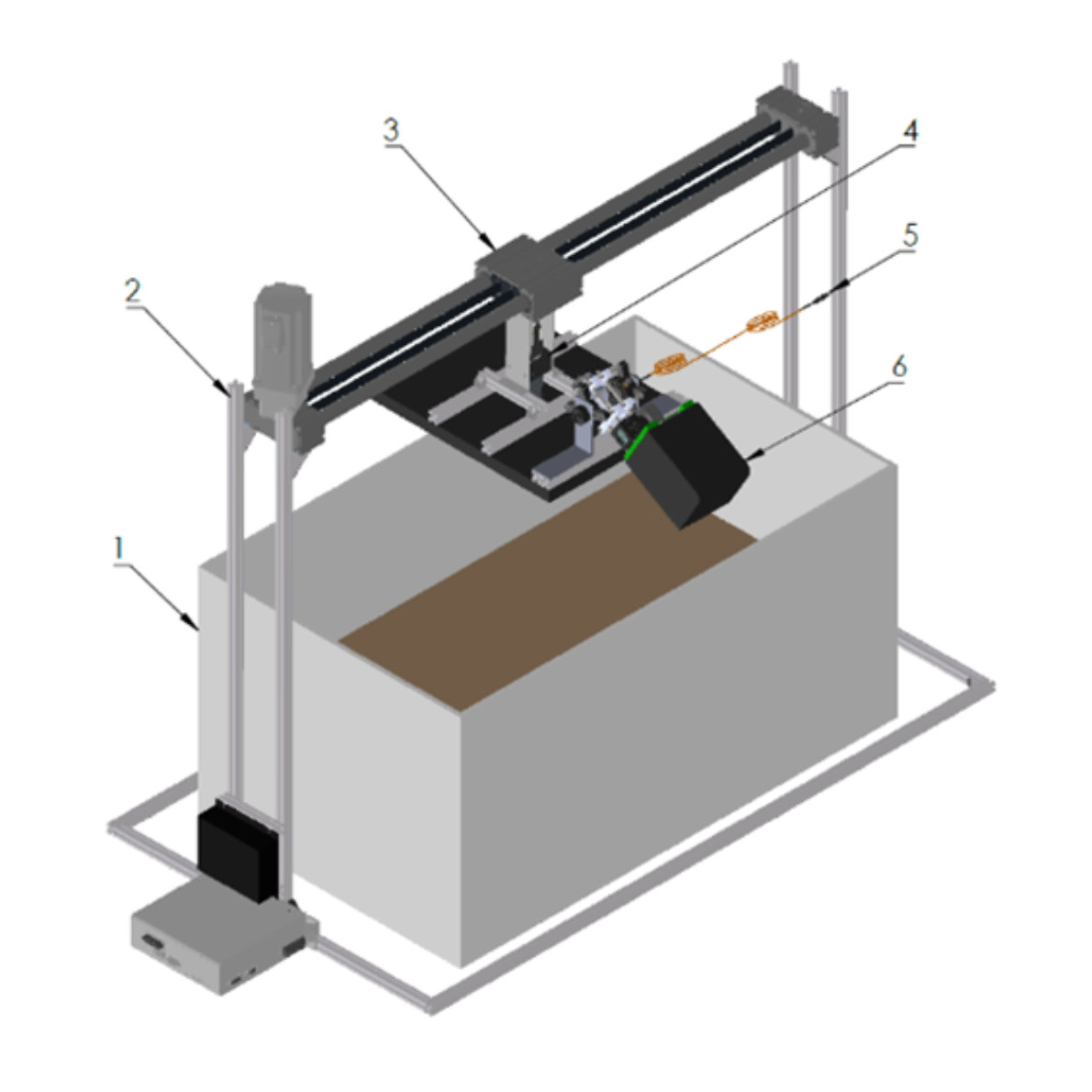
Introducing Agriphotonics: Smart laser systems and AI-driven image recognition for a digital agriculture 4.0.
New Processes for Embedding Electronic Components in Large-Area Organic Substrates
PEKOS (2017 - 2020)
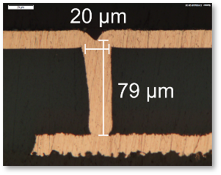
Microsection
The project is dedicated to the development of new processes and machines for a novel form of packaging in microelectronics: panel-level packaging.
SaltEtch
(2017 - 2020)

The SaltEtch project is giving life to an innovative system for glass etching by molten salt, raising the bar for process flexibility and production precision when compared to current technologies.
KameRad
(2017 - 2020)

The highly integrated camera-plus-radar module allows sensor systems to adapt flexibly to conditions for autonomous vehicles on the road and beyond.
GlaRA
(2017 - 2020)
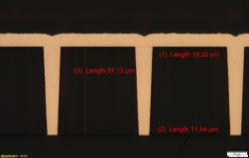
Section through a glass interposer
The GlaRa project develops a high-reliability technology platform that combines sensor systems with high-speed signal processing and high-frequency data transmission.
Condition Monitoring for Wind Turbines
AMWind (2016 - 2020)
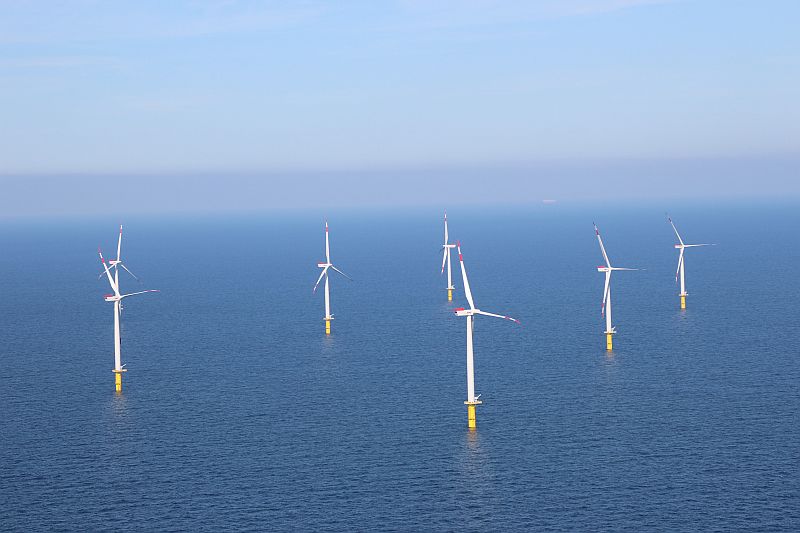
Making power electronics more reliable used to mean going back to the drawing board and optimizing materials, structures, and processes. For real reliability in regular operations, modern condition monitoring concepts are offering their operators a new choice.
HiBord
(2016 - 2020)
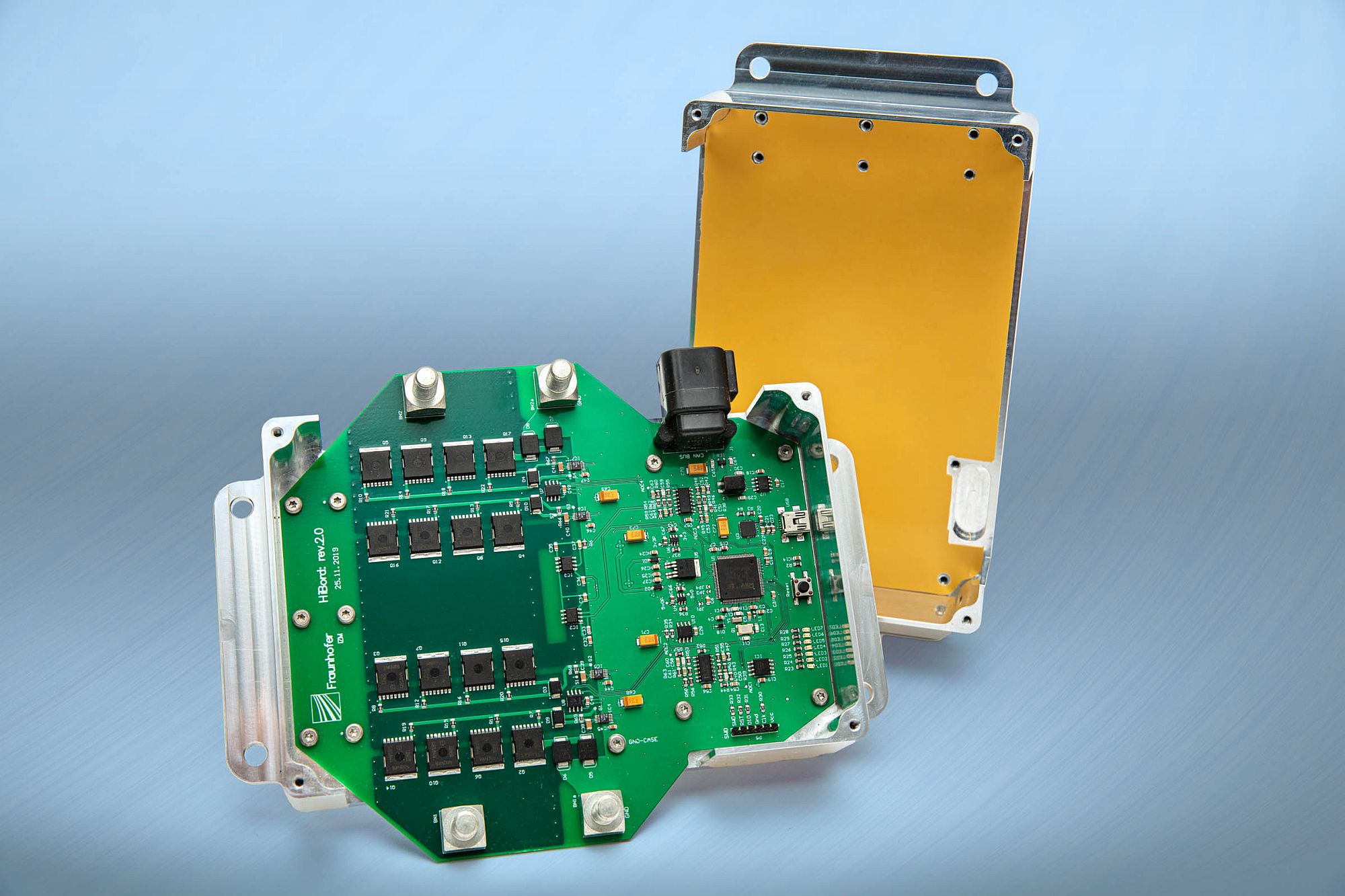
The HiBord project is exploring novel vehicle wiring topologies for use in highly or fully autonomous vehicles.
HighConnect VIP+
(2016 - 2020)

Coupling the evanescence field between neighbouring waveguides allows the performance-dependent splitting of optical fields and opens up new design options.
more info
KorSikA
(2016 - 2019)
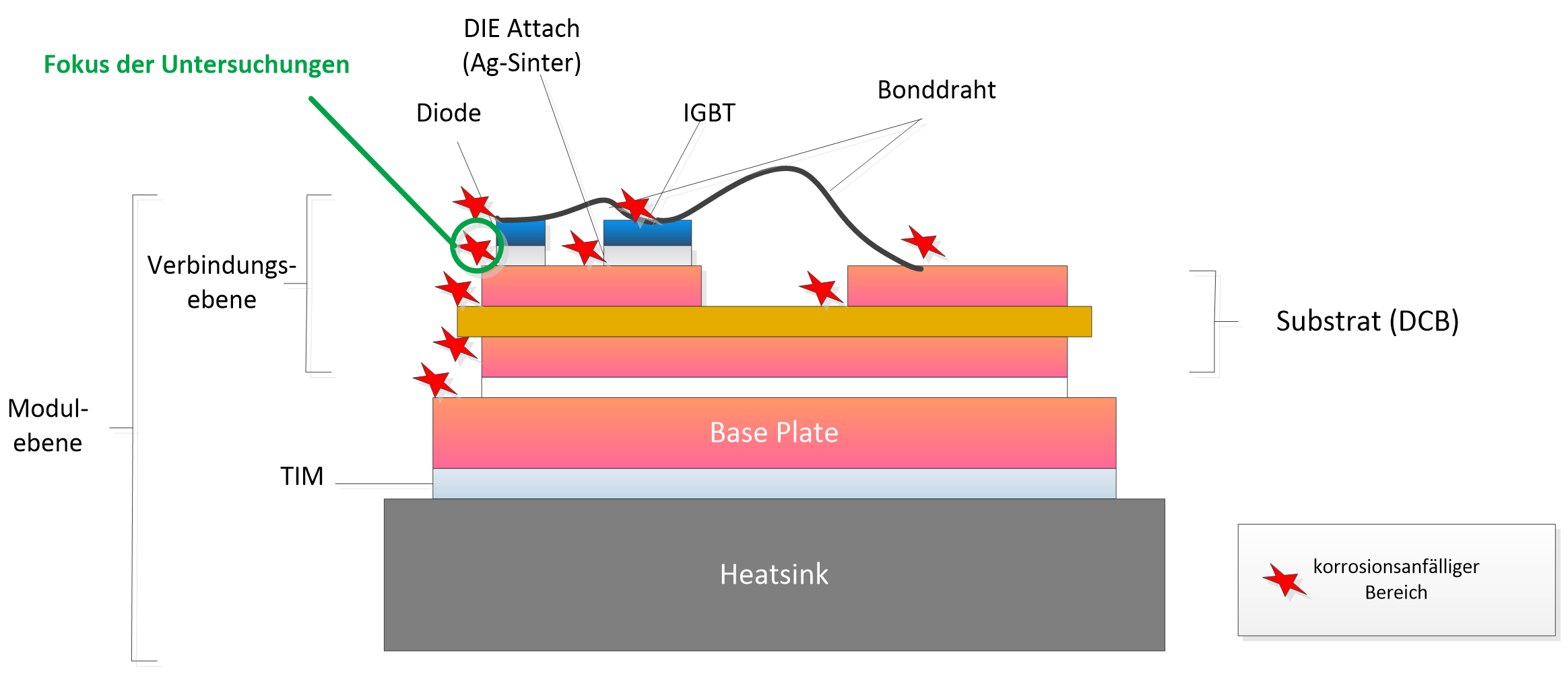
The KorSikA team is adding to our current understanding of the corrosion behaviour of power electronics in offshore wind farm applications, focusing in particular on sintered joints.
Advanced Distributed Pilot Line for More-than-Moore Technologies
ADMONT (2015 - 2019)

The European project ADMONT provides a novel approach for innovation in all sectors. It has no specific focus on particular end markets so Automotive, Aerospace, Industrial, Food Processing, Health, Safety, ICT and various other end markets can benefit. ADMONT supplies system integrators with a modular system for combining distinct technologies at wafer level while providing a vital and necessary platform for new products. This encompasses not only process technology but also design and modelling capabilities. ADMONT aims to reduce manufacturing times for base components to 75 % and reduce system costs to 70 % of what can be achieved today. Electronics-based products will benefit from increased innovation speed and hence accelerate time to market. This will bring the benefits of innovation to the full value chain, both from a production perspective and from an end user perspective.
Silicon Photonics Enabling Exascale Data Networks
SPeeD (2015 - 2019)
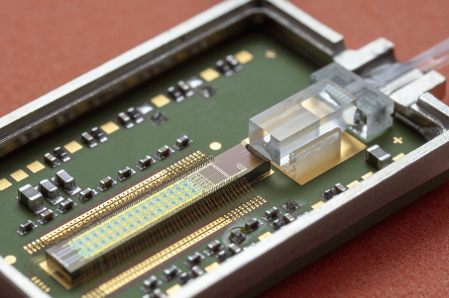
As part of SPEED, two types of 400Gb/s transceivers are being designed on silicon ICs to serve applications both between and within data centres.